
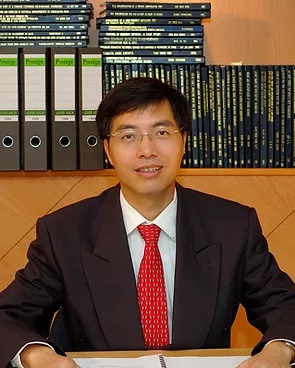
Prof. Zhongxiang Shen, Yangtze Delta Region Academy of Beijing Institute of Technology, Jiaxing, China (IEEE Fellow)
Speech Title: Electromagnetic Selective Structures: Concept and Design
Abstract: In this talk, we intend to provide a brief overview of electromagnetic selective surfaces/structures (EMSS). According to the properties of an incident electromagnetic wave, EMSS can be divided into four categories: frequency-selective structure (FSS), polarization-selective surface (PSS), angle-selective surface (ASS), and energy-selective surface (ESS). Recent developments and advances in the design of EMSS will also be briefly introduced. Finally, future opportunities in the areas of the design and analysis of EMSS will be suggested.
Biography: Zhongxiang Shen (M'98–SM'04–F'17) received the B.Eng. degree in electrical engineering from the University of Electronic Science and Technology of China, Chengdu, China, in 1987, the M.S. degree in electrical engineering from Southeast University, Nanjing, China, in 1990, and the Ph.D. degree in electrical engineering from the University of Waterloo, Waterloo, ON, Canada, in 1997.
From 1990 to 1994, he was with the Nanjing University of Aeronautics and Astronautics, Nanjing. In 1997, he joined Com Dev Ltd., Cambridge, ON, as an Advanced Member of Technical Staff. In 1998, he was a Post-Doctoral Fellow first with the Gordon McKay Laboratory, Harvard University, Cambridge, MA, USA, and then with the Radiation Laboratory, University of Michigan, Ann Arbor, MI, USA. From Jan. 1999 to Dec. 2023, he was a faculty member (Assistant Professor, Associate Professor and Full Professor) of Nanyang Technological University, Singapore. He is now a Strategic Scientist at Yangtze Delta Region Academy of Beijing Institute of Technology, Jiaxing, Zhejiang, China. He has authored or coauthored more than 240 journal papers (among them 180 were published in IEEE journals) and presented more than 200 conference papers. His current research interests include the design of small and planar antennas for various wireless communication systems as well as analysis and design of electromagnetic-selective structures.
Prof. Shen served as the Chair of the IEEE MTT/AP Singapore Chapter in 2009. He was the Chair of the IEEE AP-S Chapter Activities Committee from 2010 to 2014. He served as the Secretary of the IEEE AP-S from Jul. 2014 to Dec. 2018 and was an elected AdCom member of the IEEE AP-S from Jan. 2017 to Dec. 2019. He was a Distinguished Lecturer of the IEEE AP-S from Jan 2021 to Dec. 2023. He is currently the Editor-in-Chief of IEEE Open Journal of Antennas and Propagation.
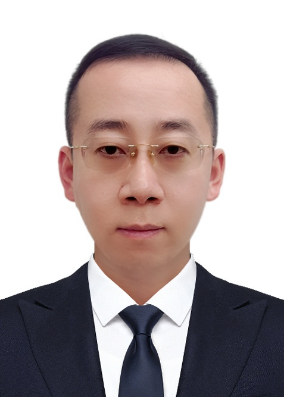
Prof. Jiancao Hou, Sichuan University, China
Speech Title: Multi-objective microwave wireless power transfer - the energy cornerstone of 6G-enabled intelligent everything
Abstract: As mobile communication technology evolving from 5G-A to 6G, 6G is expanding the boundaries of microwave wireless communication capabilities and truly realize the various intelligent sensing and immersive interaction applications, achieving 6G-enabled 鈥淚ntelligent Everything鈥? The vision of supporting trillions of wireless devices for intelligent mutual connectivity is facing a fundamental but extremely important challenge of energy supply. Multi-objective microwave wireless power transfer is one of the key technologies that can empower the development of this requirement. This talk will focus on the design of a multi-objective microwave wireless power transfer system. Starting from a brief introduction of the basic principles of microwave wireless power transfer, spatial matching theory, and the current development status around the world, this talk will conduct a feasibility analysis of developing a multi-objective microwave wireless power transfer system via hybrid beamforming at mmWave. Meanwhile, suggestions will be given regarding the development of key technologies.
Biography: Dr Jiancao Hou is a full Professor at College of Electronics and Information Engineering, Sichuan University. He received his Ph.D. degree from the University of Surrey in the U.K. He is a senior member of IEEE. He has been engaged in fundamental research and innovative applications in areas of microwave wireless power transfer, digital beamforming, and ultra-wideband signal processing technologies. He has published over 20 papers in international journals and conference proceedings, and has applied for and/or obtained more than 30 patents in the U.S. and China. Additionally, he has led and participated in projects including the EU Horizon 2020 research projects, the U.K. Natural Fund Council (EPSRC) research projects, the National Key Research and Development Programs of China, Provincial Major Science and Technology projects, and etc.

Prof. Mei Li, Chongqing University, China
Speech Title: Beam Control in High-Efficiency Compact Planar Antennas
Abstract: With the ongoing miniaturization and integration of wireless systems (e.g., terminal devices, base stations, and vehicle platforms), and the increasingly stringent demands on electromagnetic performance, efficient beam control in compact planar antennas has become a critical research direction. Conventional approaches, such as using feed networks to impose specific amplitude and phase distributions across radiating elements, can achieve beam broadening, gain enhancement, or beam tilting. However, due to their additional feed networks, array antennas often suffer from increased footprint, higher insertion loss, reduced bandwidth, and higher cost. In space-constrained platforms, where the available real estate continues to shrink while radiation requirements grow, there is an urgent need for compact, high-efficiency, and broadband antennas with tailored beam behavior. To address these challenges, this talk focuses on beam control techniques for compact planar antennas. Specifically, I will present our recent progress on compact, broadband, high-efficiency antennas based on near-field coupling mechanisms. Emphasis will be placed on how to efficiently control excitation amplitude, phase, and polarization within the compact parasitic coupling array configuration.
Biography: Dr Mei Li is a full Professor at the School of Microelectronics and Communication Engineering, Chongqing University, and a Senior Member of IEEE. She received her Ph.D. degree from the University of Electronic Science and Technology of China (UESTC) in 2016. She conducted academic visits at the University of California, San Diego (UCSD), USA, and the University of Macau.
Her research interests include miniaturized planar antennas, antenna arrays based on periodic/quasi-periodic structures, and related areas. She has published over 100 peer-reviewed papers. She has been recognized as a recipient of the National Young Talent Program, a New Chongqing Young Innovative Talent, and a Reserve Candidate for Academic and Technical Leader of Chongqing. She received the Young Scientist Award from the International Applied Computational Electromagnetics Society (ACES) in 2019 and won the First Prize from the China Association of Inventions in 2022.

Assoc. Prof. Chuan Lin, Southwest Jiaotong University, China
Speech Title: Theory and Practice of Near-Field Millimeter-Wave Imaging for Human Security Screening
Abstract: Millimeter-wave imaging is a key technology for next-generation security screening, playing an important role in public safety. This talk presents a systematic overview of the theory and practice of near-field millimeter-wave imaging for human security inspection. We first introduce the fundamental imaging mechanisms and representative reconstruction methods in active systems. To address challenges in system cost and acquisition efficiency, we then discuss imaging frameworks based on sparse sampling and array design. Furthermore, hybrid reconstruction approaches that integrate physics-consistent models with data-driven methods are highlighted to improve imaging quality and efficiency. Finally, we explore automatic target detection and recognition techniques, with particular emphasis on robust identification of unknown objects. This talk aims to bridge theory and practice, providing insights for developing efficient, accurate, and intelligent millimeter-wave security imaging systems.
Biography: Chuan Lin was born in Fuzhou, China, in 1980. He received the B.Eng. and Ph.D. degrees from Southwest Jiaotong University, Chengdu, China, in 2003 and 2010, respectively. He joined the Southwest Research Institute of Electronic Equipment, Chengdu, China, as an Engineer, in April 2010, and a Senior Engineer in 2012. From May 2013 to April 2017, he was an Associate Professor with the University of Electronic Science and Technology of China, Chengdu. He is currently an Associate Professor with Southwest Jiaotong University, Chengdu. His research interests include microwave imaging, machine learning, intelligent detection, and computational intelligence.

Prof. Kwok L. Chung, Guangzhou Institute of Science and Technology, China (Stanford/Elsevier World's Top 2% Scientist)
Speech Title: Advanced Materials for Flexible Antennas and Sensors: A Focus on Conformal Dielectrics and a Strain Sensor Implementation
Abstract: With the rapid development of flexible electronic technologies, flexible antennas and sensors are moving toward lightweight, conformal design and multifunctional integration. Flexible conductive and dielectric materials have achieved remarkable breakthroughs and diversified development in fundamental research and applications. This paper reviews recent advances in materials for flexible antennas and sensors, analyzes key challenges in preparation, performance optimization, and device integration, and presents a practical implementation of a dual-axis antenna-based strain sensor using RT/duroid 5880. It aims to provide theoretical guidance and strategic insights for flexible electromagnetics research and engineering applications.
Biography: Prof. Kwok L. Chung is a Senior Member of IEEE. He graduated with integrated bachelor-doctoral program as a First-Class Honors graduate from the University of Technology Sydney, Australia. He has been listed among the World's Top 2% Scientists by Stanford University for six consecutive years. His works have gained 4300 citations in Scopus with an h-index of 38. He once served as Associate Editor of IEEE Access and Alexandria Engineering Journal, and was awarded the Outstanding Associate Editor Award of IEEE Access in 2019. He founded and presided over IEEE Qingdao Joint Chapter, and has long been engaged in international conference organization and academic services.
His main research interests cover antennas, sensors, electromagnetic perception and multi-sensor fusion. He has published more than 100 high-quality papers in journals including IEEE TAP, MTT and TVT. Recently, his team’s research achievement was selected as a Featured Highlight Paper in IEEE TAP.

Prof. Zhengming Tang, China West Normal University, China
Speech Title: Key Technologies and Applications of Microwave Efficient Heating and Precise Control
Abstract: This study presents a systematic framework to optimize industrial microwave heating through advancements in energy generation, transmission, and load matching. To address the low efficiency of traditional magnetrons, a six-element composite cathode is developed, increasing the microwave conversion efficiency to 69.1%. In the transmission stage, an integrated circular waveguide structure is utilized to minimize energy loss. Furthermore, an optimized frequency selection mechanism ensures sustained energy coupling under dynamic load conditions. Experimental results demonstrate that the proposed system achieves a microwave absorption rate of 95.21%, compared to 35.19% for static fixed-frequency systems. In industrial applications involving fluorine rubber dehydration, the drying cycle is substantially shortened, with the final moisture content successfully reduced to trace levels. These findings confirm the viability of the optimized architecture for high-performance and energy-intensive industrial processing.
Biography: Dr. Zhengming Tang is the Vice Dean of the School of Electronic Information Engineering and a full Professor at China West Normal University. He received his Ph.D. degree in Communication and Information System from Sichuan University. He is a member of the Microwave Energy Chemical Engineering Application Committee of the Chinese Chemical Society and the Sichuan Microwave Energy Application Committee. His research interests include wireless communication, electromagnetic compatibility, and microwave theory and technology.He has presided over or participated in more than 20 national and provincial research projects, published over 60 academic papers (50+ indexed by SCI/EI/ISTP), and holds 4 granted national invention patents.
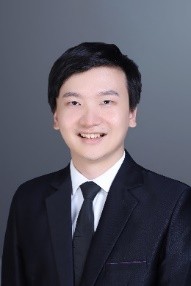
Assoc. Prof. Yi Chen Zhong, Xidian University, China
Speech Title: Advancements in 2-Bit Programmable Metasurface Antennas: From Polarization Insensitivity to Highly Integrated Multipolarization Beam Scanning
Abstract: Programmable metasurface antennas (PMAs) and reconfigurable intelligent surfaces (RIS) are crucial for next-generation communications, yet achieving high aperture efficiency and multi-polarization with simplified structures remains challenging. This academic talk presents two recent advancements in 2-bit PMAs. First, we introduce an S-band programmable reflectarray antenna (PRA) that minimizes p-i-n diodes and utilizes a slotted polygon patch to suppress cross-polarization, achieving a polarization-insensitive metasurface with a 31.20% maximum aperture efficiency. Second, we propose a highly integrated, dual-polarized metasurface antenna that embeds the DC control circuit directly behind the surface, eliminating external wires. It supports ±60° wide-angle beam scanning for dual-linear and dual-circular polarizations using a single linearly polarized feed, reaching 35.35% efficiency. Combining the advantages of low cost, structural simplicity, and high aperture efficiency, these proposed antennas demonstrate significant potential for diverse applications, including satellite communications, radar detection, and RIS-assisted networks.
Biography: Yi Chen Zhong was born in Chengdu, Sichuan, China, in 1990. He received the B.E. and Ph.D. degrees from the University of Electronic Science and Technology of China (UESTC), Chengdu, China, in 2013 and 2020, respectively. He is currently an Associate Professor with Xidian University. From 2017 to 2019, he was an Honorary Associate with the Department of Electrical and Computer Engineering, University of Wisconsin-Madison, USA.
His research interests broadly encompass near-field and far-field converged antennas, metasurfaces including reconfigurable intelligent surfaces (RIS), and high-density integrated phased arrays. He has published over 30 peer-reviewed papers, including 13 in the prestigious IEEE Transactions on Antennas and Propagation (IEEE TAP).
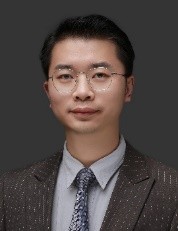
Associate Research Fellow Yunpeng Zhang, University of Electronic Science and Technology of China, China
Speech Title: Test Method of Electromagnetic Shielding Effectiveness of Transparent Conductive Films Based on Coaxial Resonant Cavity
Abstract: With the wide application of transparent conductive films (TCFs) in the field of electromagnetic shielding, the demand for in-situ evaluation of their electromagnetic performance in the installed state has become increasingly urgent. The existing method is only applicable to the uninstalled state and cannot meet the in-situ testing requirements of the installed TCF. To address this limitation, a single-sided in-situ testing sensor based on a coaxial resonant cavity is proposed. It can measure the microwave surface resistivity of the TCF and further derive the electromagnetic shielding effectiveness (SE). The sensor operates in S and C bands. Test results for ITO films indicate that the SE test range of the sensor covers 25-55 dB, and the test accuracy is better than ±2 dB.
Biography: Yunpeng Zhang was born in Yunnan, China, in 1990. He received the B.S. degree in electromagnetic field and wireless technology and the Ph.D. degree in electromagnetic field and microwave technology from University of Electronic Science and Technology of China (UESTC), Chengdu, China, in 2013 and 2019, respectively. From 2020 to 2022, he was a Postdoctoral Fellow at UESTC. He is currently an Associate Research Fellow with the School of Electronic Science and Engineering, UESTC. His current research interests include material electromagnetic parameters measurement and microwave non-destructive testing.
He has presided over more than 10 projects, including the National Key R&D Program of China, the National Natural Science Foundation of China, and the China Post-Doctoral Science Foundation. He has published over 20 papers in SCI journals such as IEEE TAP, IEEE TMTT as the first or corresponding author, and has obtained over 40 invention patents and 4 group standards. He serves as a member of the TC01 Technical Committee within the CSTM Electronic Materials Field Committee, and has been awarded the Bronze Award in China Postdoctoral Innovation and Entrepreneurship Competition and the Young Scientist Award in the 4th Microwave Energy Chemical Application Conference.
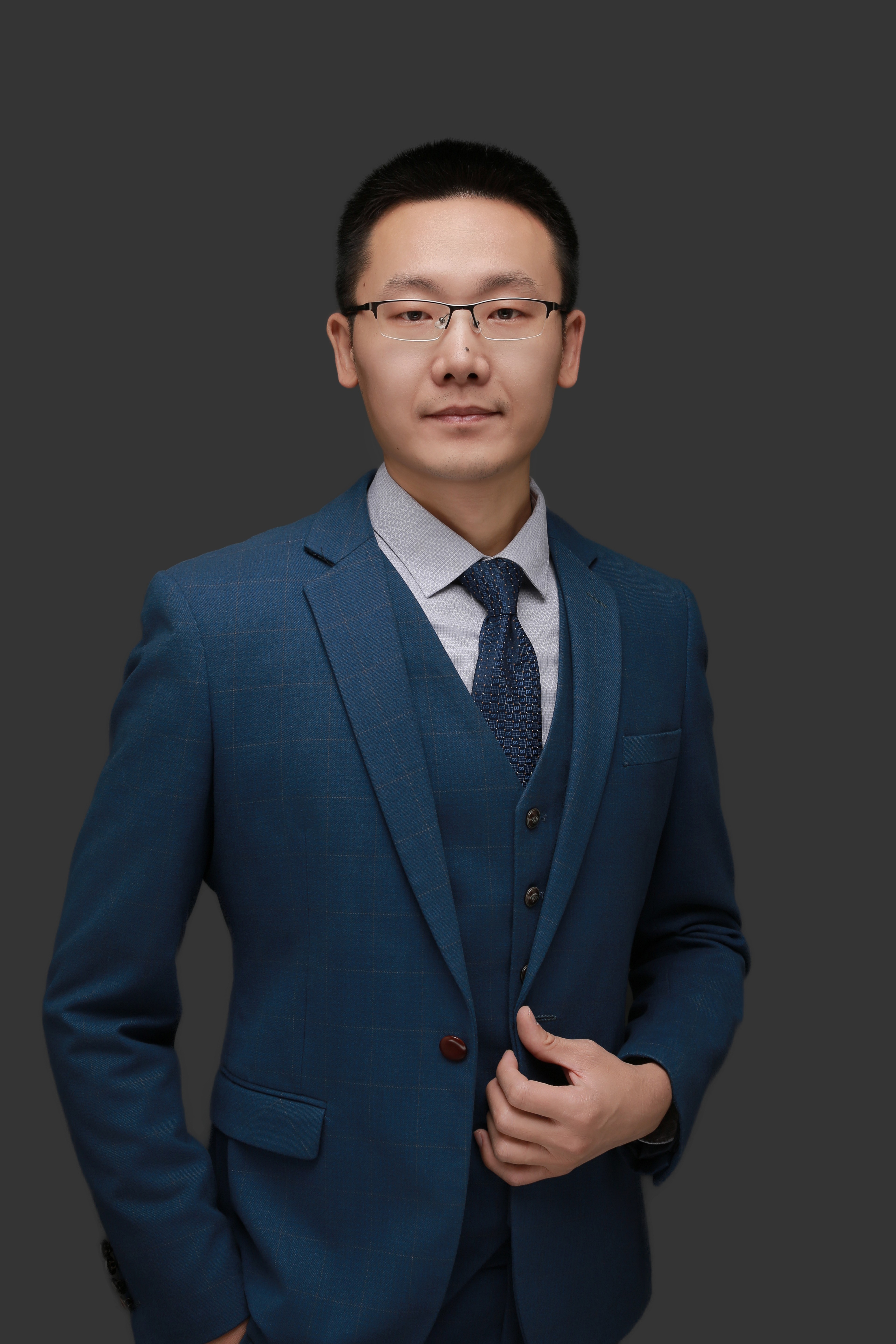
Associate Research Fellow Hao Wang, University of Electronic Science and Technology of China, China
Biography: Hao Wang was born in Sichuan, China in 1988. He received his PH.D. degree in Physical Electronics from the University of Electronic Science and Technology of China (UESTC) from 2011 to 2017, during which he completed two years of joint training at the French National Institute for Research in Computer Science and Automation (INRIA) (2015-2017). From 2021 to 2023, he completed his postdoctoral research at the Shenzhen Institute for Advanced Study of UESTC.
His research focuses on electromagnetic computation, collaborative simulation of multi-physics fields, high-performance computing, and related CAE technologies. He has published more than 50 papers, including IEEE TAP, IEEE TMTT, has applied for over 20 Chinese invention patents, and has obtained more than 20 computer software copyrights.
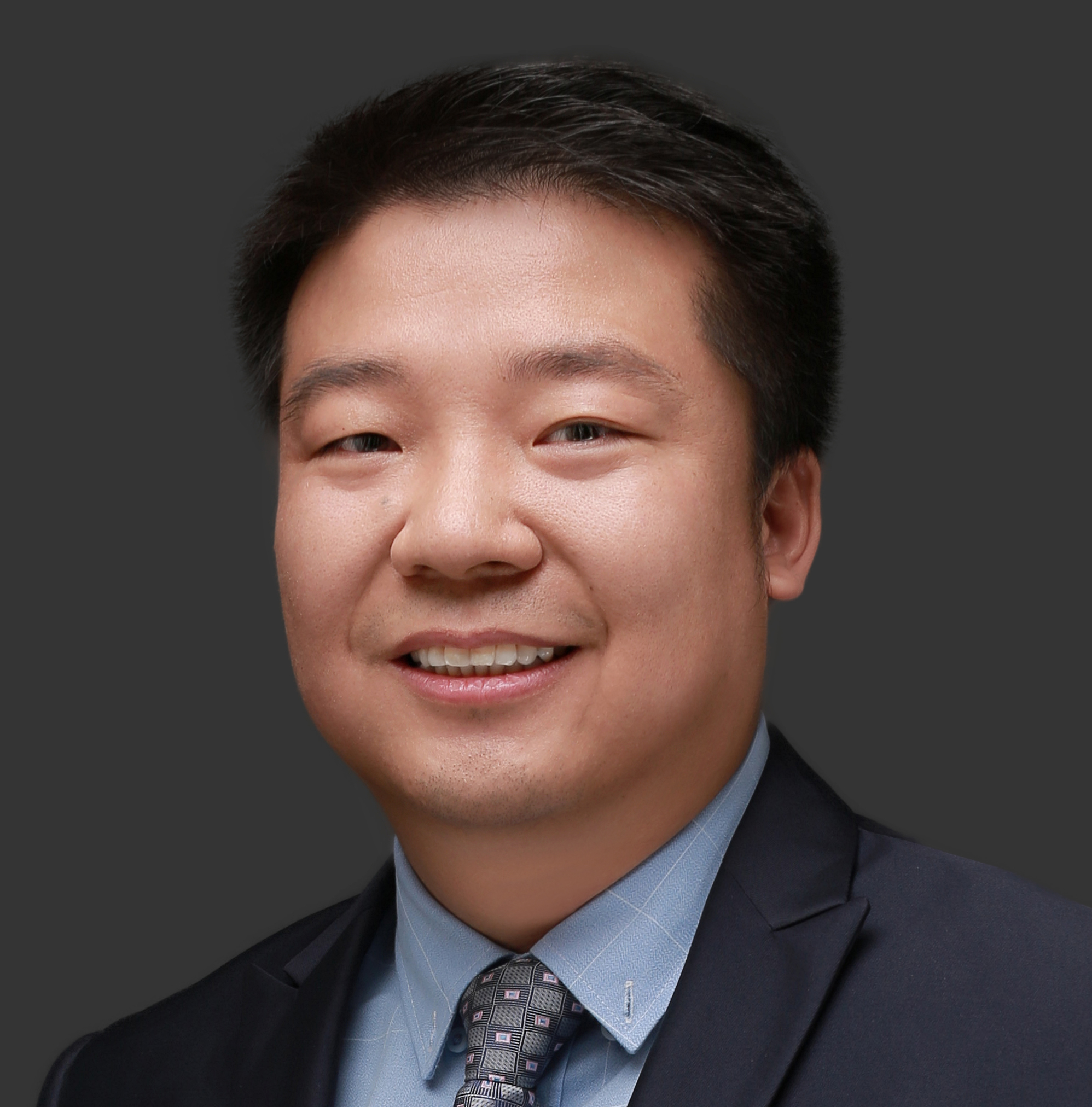
Associate Research Fellow Junhui Yin, University of Electronic Science and Technology of China, China
Speech Title: Unstructured Mesh Generation Techniques for Computational Electromagnetics
Abstract: In the design of electronic products, electromagnetic simulation plays a crucial role. Mesh generation is a key step in electromagnetic simulation, and the quality of the mesh directly determines the accuracy, efficiency, and even the success of subsequent computations. In recent years, as electromagnetic targets and environments have become increasingly complex, the requirements for model processing have continued to grow. However, mesh generation in electromagnetic simulation still largely relies on general-purpose commercial software, which makes local refinement and integrated optimization inconvenient. This report introduces an unstructured mesh generator for electromagnetic industrial software, namely the TianShu Mesh, which is based on a mapping method and developed using the Delaunay approach. The generator consists of several modules, including model processing, edge mesh generation, surface mesh generation, volume mesh generation, mesh quality optimization, and mesh file import/export. Moreover, it offers certain innovations and advantages in adaptive mesh generation and efficient point insertion algorithms. The proposed mesh generator enables high-quality adaptive tetrahedral mesh generation for complex electromagnetic models, providing strong support for model discretization in electromagnetic simulation.
Biography: Junhui Yin was born in Hunan, China, in 1989. He received his Ph.D. degree in Electronic Science and Technology from the University of Electronic Science and Technology of China (UESTC), Chengdu, China, in 2020. In July 2020, he joined the School of Electronic Science and Engineering at UESTC, where he has been an Associate Researcher since May 2022. His research interests include mesh generation, scene reconstruction, and numerical methods.
Over the past five years, he has served as principal investigator or co鈥損rincipal investigator on seven national-level research projects, including those funded by the National Natural Science Foundation of China, as well as subprojects of major national initiatives on large-scale industrial software, subprojects of national science and technology major projects, and subprojects of national key R&D program of china. He has published over 40 academic papers, filed more than 20 national invention patents, and obtained 13 software copyrights. He was awarded the First Prize of the Sichuan Provincial Technological Invention Award in 2025.
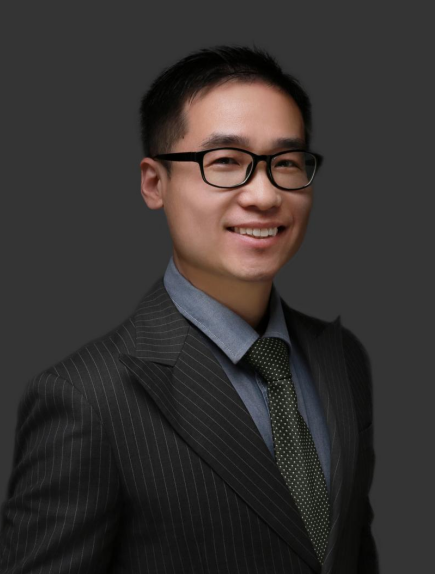
Associate Research Fellow Chong Gao, University of Electronic Science and Technology of China, China
Speech Title: High sensitivity test of dielectric properties of electromagnetic functional fibers
Abstract: Functional composite materials and devices made from fibers, such as those with wave-transparent, stealth and shielding properties, are widely used in various key fields, such as radomes, wearable devices and PCB substrates. As a key raw material for composite materials and devices, the dielectric properties of electromagnetically functional fibers directly influence the overall performance. In previous research, direct testing of the dielectric properties of individual fibers or fiber bundles has been rare, primarily due to the high sensitivity requirements that conventional test setups struggle to meet. To address this issue, a semi-cylindrical cavity incorporating a metal ridge structure has been proposed. This design offers excellent testing sensitivity even for individual fiber filaments, whilst also delivering highly effective results for testing the dielectric properties of fiber bundles. This testing method and structure are of significant importance for the control and inspection of the electrical properties of electromagnetic functional fiber materials.
Biography: Chong Gao was born in Shanxi, China, in 1993. He received the Ph.D. degree in electromagnetic field and microwave technology from University of Electronic Science and Technology of China (UESTC), Chengdu, China, in 2020. From 2020 to 2023, he was a Postdoctoral Fellow at UESTC. He is currently an Associate Research Fellow with the School of Electronic Science and Engineering, UESTC.
His current research interests include electrical performance test of materials/components, design of the microwave detection sensors and systems. He has published more than 30 papers, including IEEE TMTT, IEEE TIM, and has applied for over 40 Chinese invention patents. He has presided over more than 10 projects, including the National Natural Science Foundation of China, the China Post-Doctoral Science Foundation, and others. He served as the workshop chair of the international conferences for several times.
Dr. Haoqiang Feng, Zhejiang University, China
Speech Title: High-Order Discontinuous Galerkin Method for 3D IC Thermal Simulation with Interfacial Thermal Resistance
Abstract: As the integration density of 3D integrated circuits (3D ICs) continues to increase, thermal management has become a key challenge for system reliability. Accurate thermal modeling in these multi-scale architectures is complicated by interfacial thermal resistance, which induces sharp temperature discontinuities across material interfaces. Conventional numerical methods typically require additional degrees of freedom to resolve such discontinuities. This talk presents a 3D thermal simulation framework based on a high-order discontinuous Galerkin method. By directly incorporating interfacial thermal resistance into the numerical flux, the proposed method achieves high-order convergence and stability without increasing the number of global unknowns. We first verify the convergence behavior of the proposed method and subsequently demonstrate its application to the thermal analysis of GaN power amplifiers. The proposed framework serves as a high-fidelity thermal analysis module within a unified DG-based multi-physics EDA framework.
Biography: Haoqiang Feng was born in Hangzhou, China, in 1997. He received the B.E. degree in information engineering from Zhejiang University, Hangzhou, China, in 2019, and the Ph.D. degree in electronic science and technology from Zhejiang University, Hangzhou, China, in 2025. Currently, he serves as a Qiushi Postdoctoral Research Fellow with the Department of Information Science and Electronic Engineering, Zhejiang University, Hangzhou, China. His research interests include advanced numerical methods, multiphysics modeling, and high-performance computing.
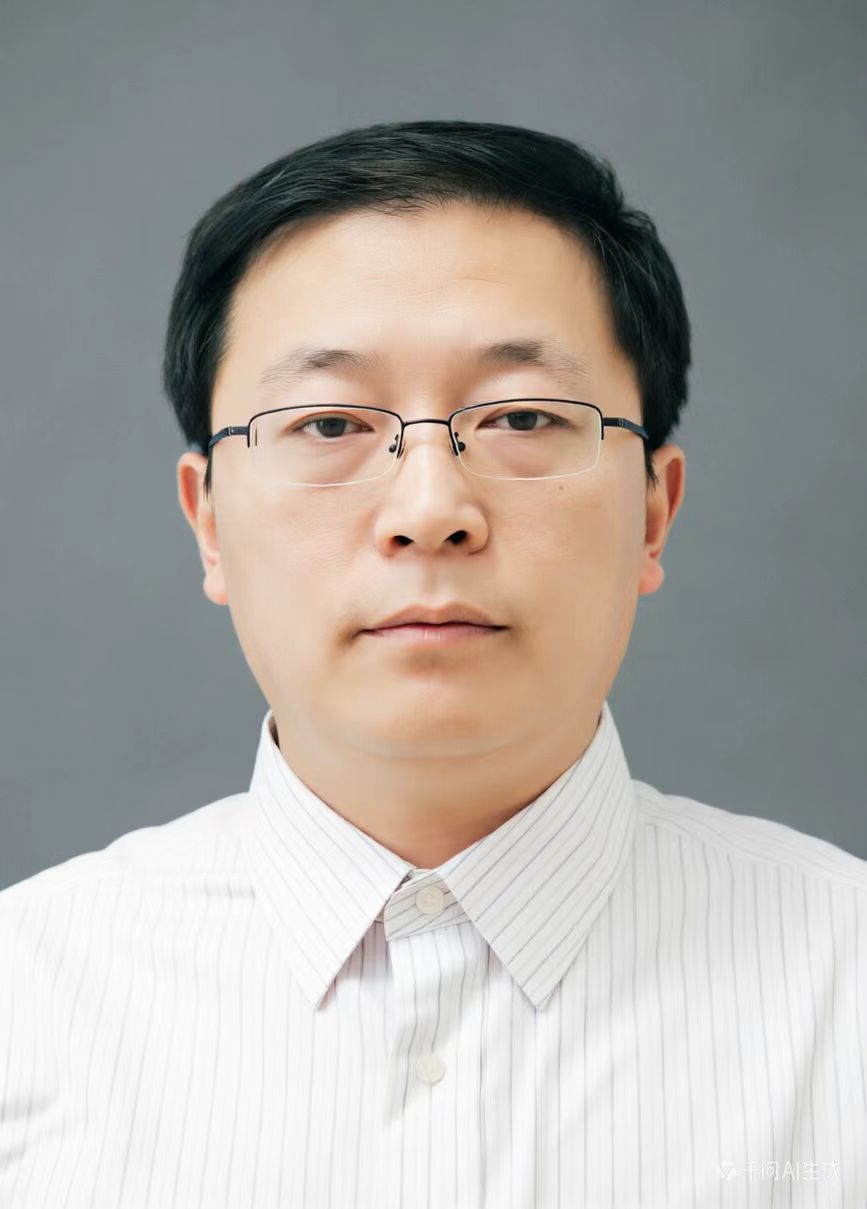
Dr. Yanwei Wang, Chengdu Aerospace Bomu Electronic Technology Co., Ltd.
Speech Title: Specification-to-Schematic Automation Zero-Touch Methodology for GaAs Low Noise Amplifier ICs
Abstract: With the escalating complexity of integrated circuit design, minimizing human intervention to achieve automated circuit design has become a focal point in the industry. This talk presents a fully automated design methodology tailored for Gallium Arsenide (GaAs) Low-Noise Amplifiers (LNAs), aiming to realize "zero-touch" generation directly from design specifications to circuit schematics.
The presentation will detail how the proposed framework autonomously constructs the mapping space from specifications to circuit diagrams. We will delve into a novel multi-dimensional constraint-solving algorithm capable of achieving: autonomous selection of transistors and biasing; automatic identification of the optimal noise impedance point; automated matching network design based on the Q-factor constraint method; and the seamless conversion from ideal components to PDK-based devices. Furthermore, experimental results will be demonstrated to validate the framework's capability to navigate the complete design flow without human intervention, flexibly balancing both broadband and narrowband performance.
Biography: Dr. Yanwei Wang received his Ph.D. from Southeast University and currently serves as a Project Lead at Chengdu Aerospace Bomu Electronic Technology Co., Ltd. Specializing in microwave/RF IC design, his research focuses on the automation of filters, LNAs, and PAs. Dr. Wang has pioneered a "zero-touch" automated design framework that transforms specifications into schematics using structured PDK parsing and constraint-solving algorithms, significantly improving design efficiency for complex chips. He holds over 10 authorized national invention patents in the field of microwave chip automation.
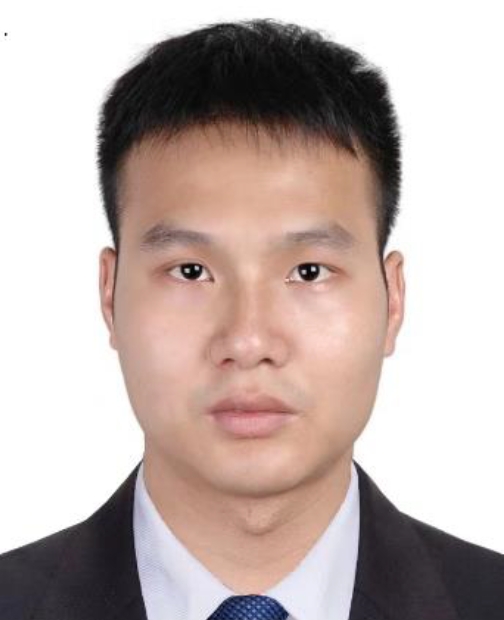
Assoc. Prof. Guoxiang Shu, Shenzhen University, China
Speech Title: Study of Integrated Terahertz Traveling Wave Tube Amplifiers
Abstract: Compared with conventional fundamental-mode single-beam traveling-wave tube (TWT) amplifiers, integrated multi-beam traveling-wave tubes can multiply output power by increasing electron beam current, so as to improve core performances such as detection range and anti-interference capability of terahertz application systems, including high-precision radar and high-speed communication. Nevertheless, the development of such novel devices is currently restricted by a series of critical scientific and technical challenges, including high-quality generation and long-distance stable transmission of multiple electron beams, mode regulation of multi-beam slow-wave structures, and stable beam-wave interaction. Focusing on the aforementioned challenges, Shenzhen University has carried out in-depth research covering theoretical analysis, simulation design and experimental verification on core components such as multi-beam slow-wave structures, multi-beam power couplers, multi-beam electron guns, multi-beam magnetic focusing assemblies and beam-wave interaction systems in recent years. This presentation summarizes the recent research progress of Shenzhen University on integrated terahertz traveling-wave tube amplifiers.
Biography: Dr. Shu Guoxiang,Research Fellow and Doctoral Supervisor at Shenzhen University, Recipient of the Guangdong Outstanding Youth Fund, Shenzhen Overseas High-Level Talent, and Nanshan District Pioneer Talent. He is a permanent member of the State Key Laboratory of Radio Frequency Heterogeneous Integration and a core member of the Shenzhen Peacock Program Team. He also serves as a Committee Member of the Microwave Technology Committee of the China Institute of Communications, IEEE Senior Member, and Senior Member of the Chinese Institute of Electronics. His long-term research focuses on high-power millimeter-wave and terahertz vacuum electronic devices. He has presided over 16 research projects, including 5 national-level ones such as special topics of the National Key R&D Program, General/Youth Programs of the National Natural Science Foundation of China, the JKW 173 Program, and ZF pre-research projects, with total research funding exceeding 10 million RMB. He has published nearly 80 SCI journal papers in total, among which 40 were published as the first or corresponding author in journals including IEEE T-MTT, T-TST, EDL, TED and APL (34 papers in IEEE Transactions and EDL). He has received numerous honors, including the Third Prize of the Science and Technology Innovation Award from the China Industry-University-Research Cooperation Promotion Association (2025), the First Prize of Guangdong Excellent Teaching Achievement Award for Postgraduate Education, and Outstanding Master’s Thesis Supervisor awarded by the Chinese Institute of Electronics.
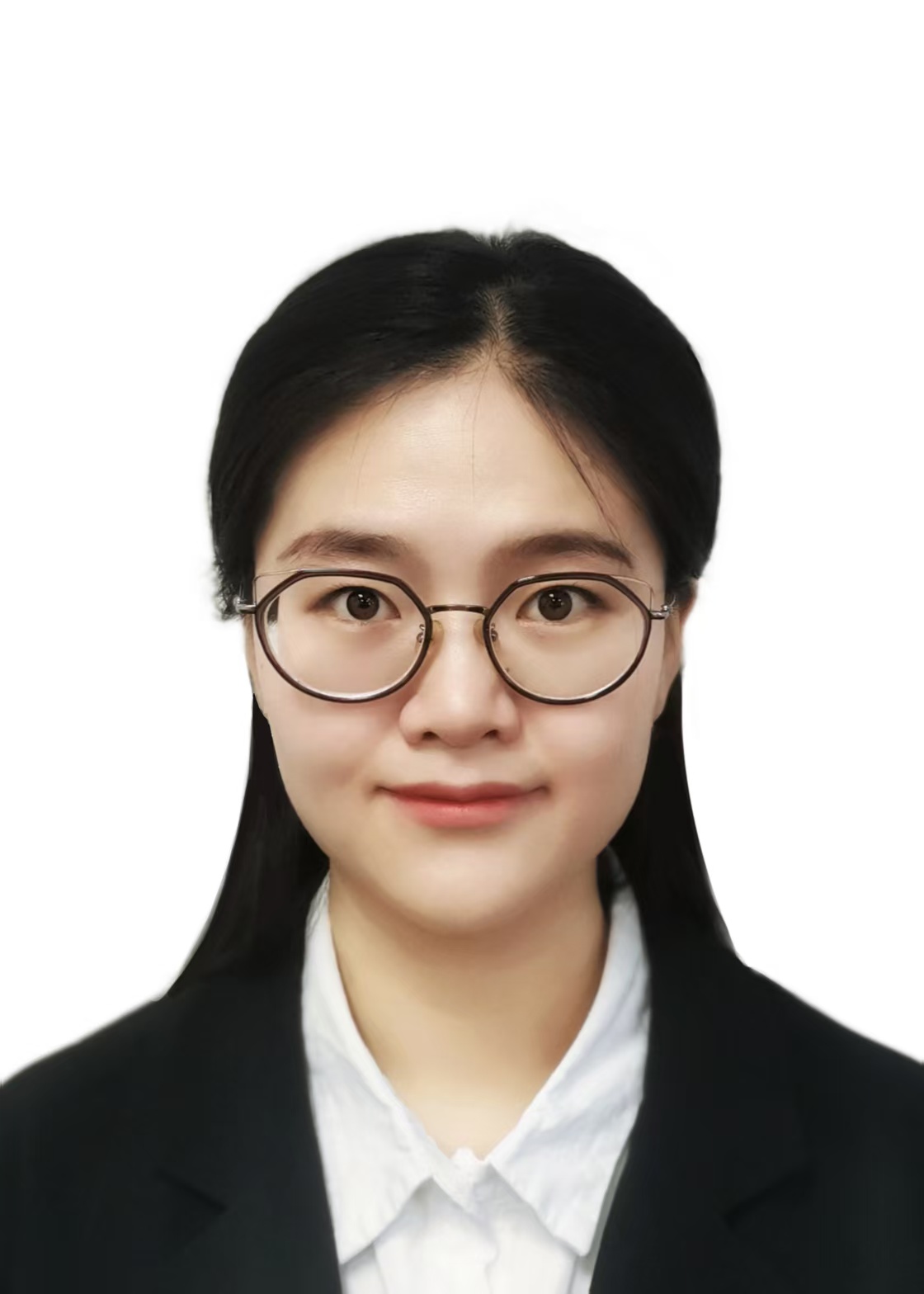
Engineer Wenyu Li, the Twelfth Research Institute of China Electronics Technology Group Corporation (CETC-12), China
Speech Title: Design Research and Experimental Verification of a Ka-Band Broadband, High Transmission Pulse Traveling Wave Tube
Abstract: Ka-band Traveling Wave Tubes (TWTs) have become one of the key developing devices in the microwave and RF field due to their ability to achieve high-power, high-gain output over broad bandwidths and their compact structure. This paper focuses on the design of a Ka-band broadband, hightransmission pulse TWT. Through the optimized design of the high-frequency slow-wave structure employing Dual-Velocity Taper (DVT) technology and broadband phase velocity equalization techniques, a pulse TWT with an output power exceeding 500 W, an operating bandwidth of 3 GHz, and an overall efficiency reaching 47% was achieved. Through detailed design and optimization of the periodic permanent magnet (PPM) focusing system, including careful magnetic field matching in the transition region, a high transmission rate of 99.3% was realized. The depressed collector was designed with multi-stage energy recovery to maximize overall efficiency. Comprehensive experimental verification confirmed that the prototype meets all design specifications, demonstrating excellent agreement between simulation and measurement results. The high transmission rate significantly reduces losses in the slow-wave structure, improves product reliability, and enhances adaptability to environmental changes.
Bio: Wenyu Li received her bachelor's degree in Communication Engineering from Beijing Institute of Technology in 2020 and her master's degree in Electronic Information from State Key Laboratory of Media Convergence and Communication, Communication University of China in 2023. She currently serves as an engineer at the Twelfth Research Institute of China Electronics Technology Group Corporation (CETC-12), focusing primarily on the design and development of high-power space traveling wave tubes. She has published papers in prestigious microwave journals and conferences such as TAP, TMTT, and APS, with research interests including metamaterial absorbers and low radar cross section antennas, TWT design.